Nepal packs extraordinary geographical and cultural diversity into a country roughly the size of Arkansas. Within a few hundred kilometers, you transition from subtropical jungles at 60 meters elevation to the world's highest peaks above 8,000 meters. Each region offers completely different experiences.
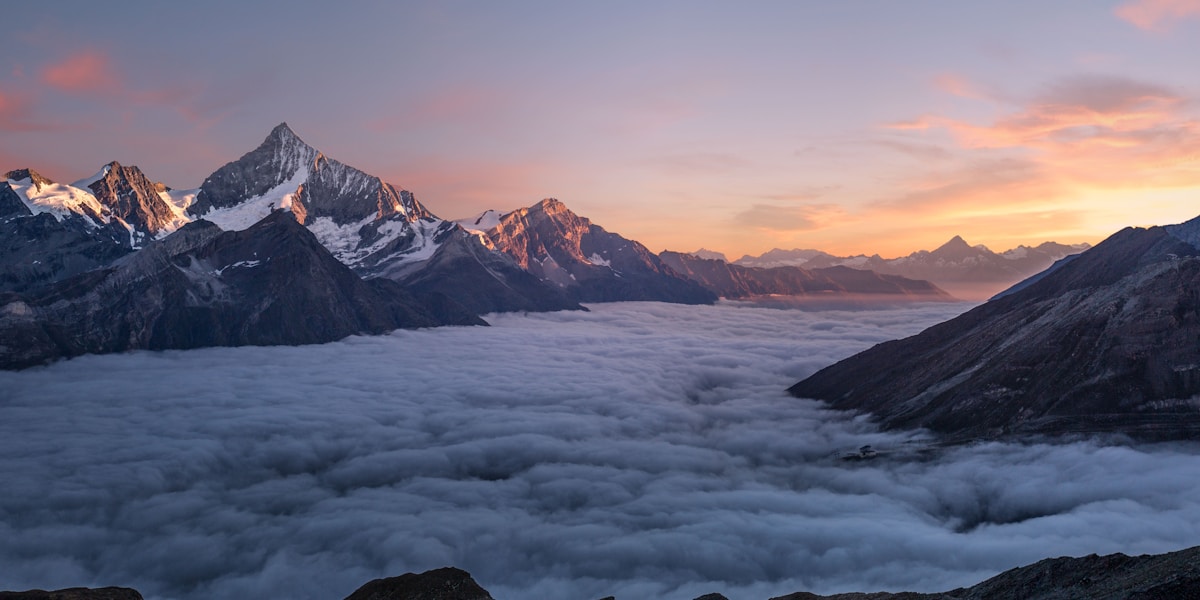
Pokhara & Annapurna Region
Nepal's second-largest city, Pokhara, sits beside the beautiful Phewa Lake with stunning views of the Annapurna range reflected in its waters. This is Nepal's adventure capital and the gateway to some of the country's best trekking.
Why Visit
Pokhara offers the perfect balance of relaxation and adventure. Spend mornings kayaking on the lake, afternoons paragliding over the valley, and evenings watching sunsets over the Himalayas from lakeside cafes. It's also the starting point for treks ranging from easy day hikes to multi-week expeditions.
Don't Miss
Phewa Lake: Paddle to the island temple, watch paragliders land on the shore, or just relax lakeside.
Sarangkot Sunrise: Wake up early for sunrise views over the Annapurna and Dhaulagiri ranges - worth the 4 AM alarm.
Peace Pagoda: A white Buddhist stupa on a hilltop offering panoramic views of Pokhara, the lake, and mountains.
Adventure Activities: Paragliding, ultra-light flights, zip-lining, bungee jumping - Pokhara has it all.

Everest Region (Solukhumbu)
Home to Mount Everest and the legendary Sherpa people, the Everest region draws trekkers from around the world. This is the heart of high-altitude adventure, where prayer flags flutter at 5,000+ meters and monasteries sit at elevations most planes fly at.
Why Visit
To stand at the base of the world's highest peak, to trek through Sherpa villages unchanged for centuries, to visit ancient Buddhist monasteries, and to challenge yourself at altitudes that make every step an achievement. This region isn't just about Everest - it's about the unique Sherpa culture that has thrived in these mountains for generations.
Key Destinations
Namche Bazaar: The Sherpa capital, a bustling mountain town at 3,440m where trekkers acclimatize and stock up on gear.
Tengboche Monastery: The spiritual heart of the Khumbu, with incredible Everest views and daily prayer ceremonies.
Everest Base Camp: At 5,364m, standing here is a bucket-list achievement for many trekkers.

Chitwan National Park
A complete contrast to the mountains, Chitwan is Nepal's premier wildlife destination in the subtropical Terai lowlands. This UNESCO World Heritage site protects one of Asia's last remaining areas of tall grassland and riverine forest.
Why Visit
To see one-horned rhinos (almost guaranteed), spot Bengal tigers (if you're very lucky), watch gharial crocodiles sunbathing on riverbanks, and experience hundreds of bird species. Chitwan offers a completely different side of Nepal - hot, humid, and teeming with wildlife.
Activities
Jungle Safaris: Jeep safaris and walking safaris through the forest with experienced naturalist guides.
Canoe Rides: Drift silently down the Rapti River watching crocodiles and water birds.
Elephant Breeding Center: See baby elephants (though elephant riding is increasingly discouraged for ethical reasons).
Tharu Culture: Visit indigenous Tharu villages and watch traditional stick dances.

Lumbini
The birthplace of Lord Buddha in 563 BCE, Lumbini is one of the most important pilgrimage sites for Buddhists worldwide. This peaceful area in southern Nepal near the Indian border offers spiritual tranquility and fascinating archaeological sites.
What to See
Maya Devi Temple: Built on the exact spot where Queen Maya Devi gave birth to Siddhartha Gautama (Buddha). The marker stone and sacred pool are here.
Ashoka Pillar: Erected by Emperor Ashoka in 249 BCE to mark Buddha's birthplace. One of the oldest structures in Nepal.
International Monasteries: Buddhist countries have built monasteries showcasing their architectural styles - Thai, Tibetan, Chinese, Japanese, Korean, and more.

Jumla & Far Western Nepal
Nepal's most remote and least-visited region offers authentic experiences far from tourist trails. Jumla is known for its apple orchards, ancient trading routes to Tibet, and the stunning Rara Lake - Nepal's largest lake surrounded by pristine forests and snow-capped peaks.
Why Go Off the Beaten Path
To experience Nepal as it was before mass tourism, to trek trails where you might be the only foreigner for days, to visit villages where traditional life continues unchanged, and to see landscapes few tourists ever witness. This region requires more time, flexibility, and adventurous spirit, but rewards you with authenticity.
Highlights
Rara Lake: Nepal's largest and most beautiful lake at 2,990m, ringed by forests and mountains. The trek here is challenging but spectacular.
Jumla Town: High-altitude town (2,514m) known for apples and as a base for remote treks.
Ancient Trade Routes: Walk paths that connected Nepal to Tibet for centuries, passing through villages where Tibetan Buddhism remains strong.

Mustang Region
Once a restricted kingdom (opened to foreigners only in 1992), Upper Mustang is a high-altitude desert that feels more like Tibet than Nepal. The landscape is otherworldly - eroded cliffs, painted in bands of red, yellow, and gray, dotted with ancient cave monasteries and whitewashed villages.
What Makes It Special
Upper Mustang is in the rain shadow of the Himalayas, making it one of the few places in Nepal you can trek during monsoon season. The Tibetan Buddhist culture here is incredibly well-preserved, and the walled city of Lo Manthang feels frozen in medieval times.
The Experience
Trekking through Upper Mustang is like walking through a living museum. You'll pass ancient cave dwellings carved into cliffs, visit monasteries with priceless Buddhist art, stay in traditional Tibetan homes, and experience a culture that has remained largely unchanged for centuries.
Ready to Explore Nepal Beyond Kathmandu?
We create custom itineraries combining multiple regions based on your interests and timeframe.
Plan Your Journey View Multi-Region Tour